Introduction
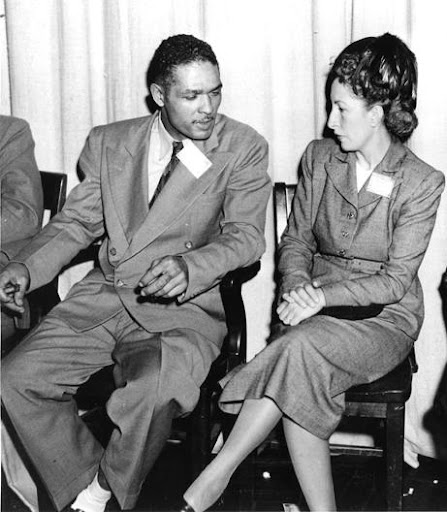
Luisa Moreno, a key figure in the labor and civil rights movements of the early 20th century, played a critical role in advocating for the rights of Hispanic workers in the United States. Her contributions spanned organizing labor unions, fighting for civil rights, and advocating for women’s rights, leaving a lasting legacy in American history.

Early Life
Birth and Family Background
Luisa Moreno, born Blanca Rosa Lopez Rodriguez on August 30, 1907, in Guatemala City, Guatemala, came from a well-off family that valued education and social responsibility.
Education and Early Influences
Moreno received a solid education, attending prestigious schools where she was influenced by progressive literature and social ideas, which shaped her future activism.
Migration to the United States
In the late 1920s, Moreno migrated to the United States, settling first in New York City. There, she encountered the harsh realities of immigrant life and labor exploitation, which fueled her determination to fight for social justice.
Activism Beginnings
Initial Involvement in Labor Movements
Moreno’s activism began in earnest in the 1930s when she joined the labor movement, working in the garment industry and witnessing the poor working conditions and low wages that workers, especially immigrant women, endured.
Early Challenges and Successes
Despite facing discrimination and resistance, Moreno organized workers, leading strikes and forming committees to demand better wages and conditions.
Key Contributions
Union Organizing
Formation of Labor Unions
Moreno was instrumental in forming several labor unions, particularly those representing Hispanic workers. She worked with the United Cannery, Agricultural, Packing, and Allied Workers of America (UCAPAWA), organizing thousands of workers in the food processing industry.
Notable Strikes and Protests
One of Moreno’s significant achievements was organizing the pecan shellers’ strike in San Antonio, Texas, in 1938, which led to significant improvements in working conditions.
Civil Rights Advocacy
Efforts Towards Racial Equality
Moreno’s work extended beyond labor rights to broader civil rights issues. She fought against racial segregation and discrimination, advocating for the rights of Hispanic Americans and other minority groups.
Key Campaigns and Outcomes
She led campaigns to end discriminatory practices in employment, education, and public services, raising awareness and fostering unity among diverse communities.
Women’s Rights
Advocacy for Women’s Rights in Labor
Understanding the unique challenges faced by women workers, Moreno championed gender equality within the labor movement, emphasizing fair treatment, equal pay, and maternity rights.
Intersectional Approach to Activism
Moreno’s activism addressed the overlapping issues of class, race, and gender, ensuring the labor movement included and addressed the needs of all workers, regardless of their background.
Major Achievements
El Congreso de Pueblos que Hablan Español
Founding and Objectives
In 1939, Moreno helped found El Congreso de Pueblos que Hablan Español (The Spanish-Speaking People’s Congress), the first national Latino civil rights assembly in the United States, aiming to unify Spanish-speaking communities and advocate for their rights.
Impact on Hispanic Communities
El Congreso played a significant role in advancing the civil rights of Hispanic Americans, addressing issues such as labor rights, education, and discrimination.
Sleepy Lagoon Defense Committee
Role in the Committee
Moreno co-founded the Sleepy Lagoon Defense Committee in 1942, defending a group of Mexican-American youths wrongfully accused of murder, organizing legal and public support for the defendants.
Significance of the Sleepy Lagoon Case
The Sleepy Lagoon case was a landmark in the fight against racial prejudice in the U.S. legal system, highlighting the systemic discrimination faced by Mexican-Americans and galvanizing further civil rights activism.
Legacy and Recognition
Influence on Future Generations of Activists
Moreno’s work laid the groundwork for future generations of labor and civil rights activists, inspiring those fighting for social justice today.
Honors and Recognitions Posthumously
Although she faced significant challenges during her lifetime, Moreno’s contributions have been increasingly recognized posthumously by various organizations and scholars.
Personal Life
Family and Personal Relationships
Despite her public life, Moreno’s personal life was marked by deep relationships and family ties. She balanced her activism with her role as a mother and partner, facing the challenges that came with such responsibilities.
Later Years and Personal Struggles
In her later years, Moreno faced personal and professional struggles, including health issues and political persecution, yet remained dedicated to her cause until her death in 1992.
Challenges and Controversies
Government Surveillance and Deportation
Moreno was targeted by government surveillance due to her political activities and was deported to Guatemala in the 1950s during the height of the Red Scare.
Internal Conflicts Within Movements
Like many activists, Moreno faced internal conflicts within the movements she was part of, often centered around strategy, priorities, and the intersectionality of various social justice issues.
Conclusion
Luisa Moreno’s legacy is a testament to the power of dedicated activism in the face of adversity. Her work across labor, civil rights, and women’s rights has left an indelible mark on American history. By understanding her contributions and challenges, we can better appreciate the complexities of social justice movements and draw inspiration for ongoing struggles today.






![Jailbreak iOS 15.4 Download | Full Guide 2022 [ 100% Working ]](/wp-content/uploads/2022/03/jailbreak-ios-7-1-versions-your-ipad-iphone-ipod-touch.1280x600-120x86.jpg)